
Orexin receptor agonists (OX2R): the wakefulness neuropeptide and the drugs restoring it
A plain-language pharmacology record on orexin / hypocretin signalling and the emerging class of orexin-2 receptor agonists — compiled by Panacea Bio Chem.
- Record type
- Neuropeptide receptor — agonist class overview
- Endogenous ligand
- Orexin-A / Orexin-B (a.k.a. hypocretin-1 / hypocretin-2)
- Primary target
- Orexin receptor 2 (OX2R / HCRTR2), a G-protein-coupled receptor
- Physiological role
- Stabilises wakefulness; suppresses untimely REM sleep
- Principal indication
- Narcolepsy type 1 (orexin-deficiency disorder)
- Example candidates
- Danavorexton (intravenous) · TAK-861 (oral) — investigational
- Status
- Active research field; not a settled clinical outcome
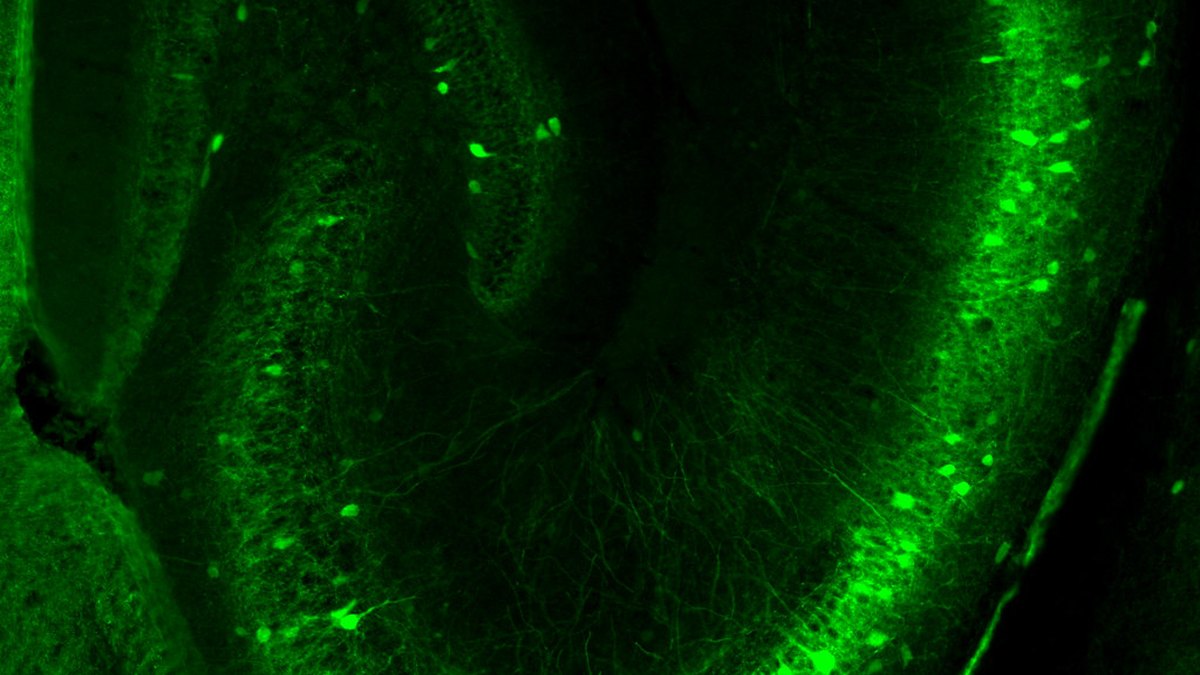
Orexin receptor agonists are molecules that switch on the orexin (hypocretin) receptors — above all OX2R — to reproduce the wake-promoting signal carried by the neuropeptide orexin. In narcolepsy type 1 the small population of orexin neurons is lost, so instead of masking sleepiness with stimulants, an agonist aims to put the missing signal back at its source. Early intravenous agonists such as danavorexton showed the principle can work; oral OX2R agonists including TAK-861 have followed into later-stage narcolepsy trials. The field is active and unfinished.
1.What orexin (hypocretin) is
Deep in the brain, a small cluster of neurons in the lateral hypothalamus makes a pair of neuropeptides called orexin1 — discovered independently by two groups, which is why it is also known as hypocretin. There are only a few tens of thousands of these cells, yet their fibres reach across nearly the whole brain. Their job is simple to state and vital to get right: they keep the boundary between sleeping and waking stable.
When orexin neurons fire, they excite the brain's arousal centres — the locus coeruleus, the tuberomammillary nucleus, the ventral tegmental area — and hold the brain in a steady waking state instead of letting it flicker between modes. Think of orexin less as an on-switch for alertness and more as the hand that steadies the switch so it does not rattle between positions. Remove that hand and the switch starts to slip.
2.Two receptors: OX1R and OX2R
Orexin works through two G-protein-coupled receptors, OX1R and OX2R (the HCRTR2 gene)2. Orexin-A binds both; orexin-B prefers OX2R. The two receptors divide the labour, and that division is the whole reason a selective agonist is interesting.
| Feature | OX1R | OX2R |
|---|---|---|
| Preferred ligand | Orexin-A | Orexin-A and orexin-B |
| Leans toward | Reward, stress, autonomic tone | Wakefulness; suppressing untimely REM |
| Role in narcolepsy therapy | Secondary | Primary target |
| Agonist interest | Adjunct / circuit-specific | Lead class (OX2R-selective) |
Because OX2R carries most of the wake-promoting duty, it is the receptor an agonist most wants to reach. Both receptors couple promiscuously to several G-protein families, so a single peptide can produce a range of downstream effects depending on where in the brain it lands — one reason the pharmacology is subtle rather than a single lever.
3.When the signal fails: narcolepsy
Narcolepsy type 1 is, at its core, an orexin-deficiency disease. In most people with the condition an autoimmune process destroys the great majority of orexin-producing neurons — postmortem work has described losses on the order of 90% or more3 — and it tracks strongly with the HLA-DQB1*06:02 immune allele. The clinical fingerprint is a cerebrospinal-fluid orexin-A level fallen below roughly a third of normal (around 110 pg/mL is the usual threshold).
Without the stabilising signal, the sleep–wake switch becomes unstable. The result is excessive daytime sleepiness, fragmented night sleep, sleep paralysis, hypnagogic hallucinations, and — the hallmark — cataplexy: a sudden loss of muscle tone triggered by emotion, essentially a fragment of REM-sleep paralysis intruding into waking life. For decades, treatment chased those symptoms with stimulants and antidepressants. The newer idea is far more direct.
If the disease is a missing signal, the most direct answer is not to mask it downstream — but to put the signal back.
4.The agonists: replacing the peptide, not the symptom
That is the logic behind orexin receptor agonists, and specifically OX2R-selective agonists — small molecules or peptides that switch on the very receptor the lost neurons used to reach. Because OX2R carries most of the wake-promoting duty, activating it aims to restore alertness and quiet the abnormal REM intrusions at the level of the underlying defect rather than downstream of it.
Several candidates have moved through human testing. Early intravenous agonists such as danavorexton showed the principle could work, improving objective measures of wakefulness. Oral OX2R agonists — among them TAK-861 — have followed into later-stage narcolepsy-type-1 studies4. Recent laboratory work has begun teasing apart where in the brain the effects arise, separating the circuits that lift sleepiness from those that suppress cataplexy, which are not the same place. The field is active and unfinished; the numbers are still accumulating, and nothing here should be read as a settled clinical result.
| Dimension | Symptom-directed therapy | Orexin receptor agonism |
|---|---|---|
| Target | Downstream arousal / REM pathways | OX2R — the missing signal's own receptor |
| Logic | Compensate for the deficit | Replace the deficit at source |
| Typical agents | Stimulants, oxybates, antidepressants | Danavorexton, TAK-861 (investigational) |
| Addresses cataplexy directly | Partially / indirectly | Aim is yes, at the receptor |
5.The open frontier
The stakes are unusually clean for neuroscience. Narcolepsy is one of the rare brain disorders with a known molecular cause, a measurable biomarker, and an obvious point of intervention — and yet, for the whole history of the condition, there has never been a marketed drug that directly replaces the missing orexin signal. Everything before this class treated the consequences.
An OX2R agonist that restores wakefulness at its source would be a first-of-kind: not a stimulant, but a replacement for a lost piece of the brain's own signalling. Beyond narcolepsy, the same wakefulness lever draws interest for idiopathic hypersomnia and other conditions of pathological sleepiness. The open questions are real ones — how to keep the effect selective, how to dose a wake signal without stealing sleep, and how to deliver a fragile agonist molecule intact. That last question is where a different kind of laboratory comes in.
6.Field note: how narcolepsy was cracked
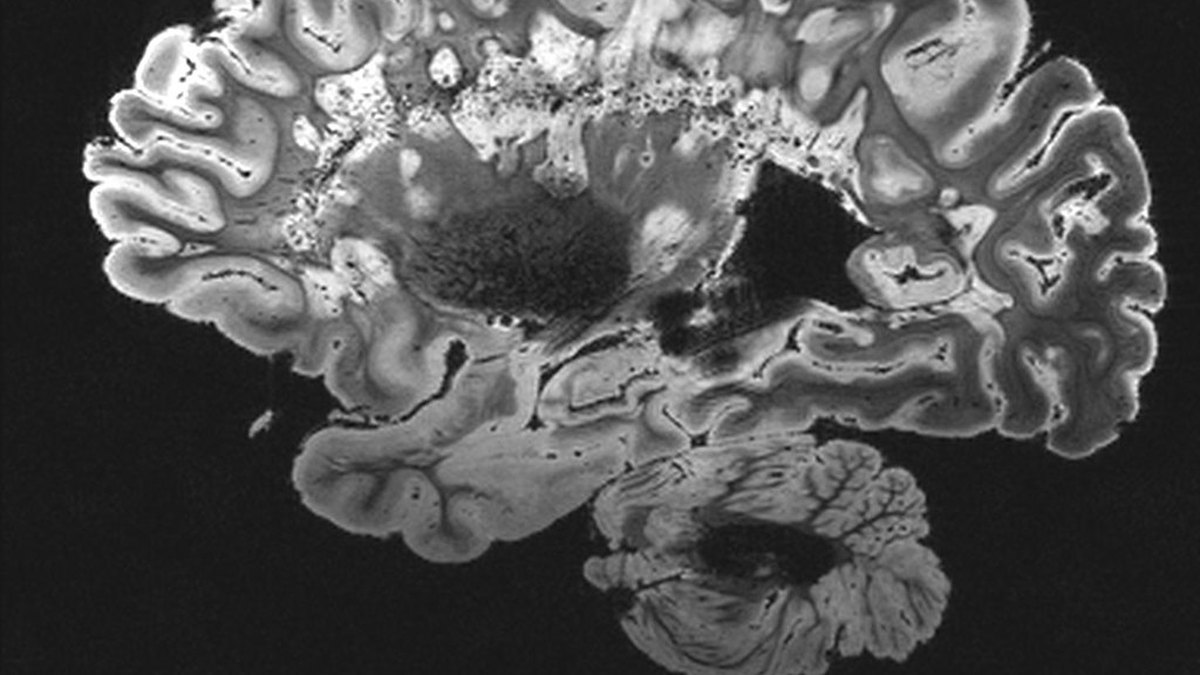
The orexin story turns on one of the most satisfying convergences in modern neuroscience — and it ran through a colony of sleepy dogs. At Stanford, a line of Dobermans and Labradors had an inherited narcolepsy: praise them, offer them food, and they would suddenly go limp with cataplexy. For years no one knew why. In 1999, the mutation was finally pinned down — a broken orexin receptor-2 gene5. In the same window, mice engineered to lack orexin were found to have narcolepsy of their own, and human postmortem brains revealed the missing neurons.
Three species, three independent lines of evidence, all landing on the same tiny peptide system within months of each other. A neuropeptide discovered almost by accident — first noted for its effect on appetite, which is why it was named orexin from the Greek for "appetite" — turned out to be the master stabiliser of wakefulness. That convergence is what turned narcolepsy from a mystery into a signalling problem with a name and a number, and it is the reason an agonist is even thinkable today.
7.The delivery frontier — where Panacea Bio Chem works
Panacea Bio Chem designs and formulates custom peptides. Its interest in the orexin story is not the receptor pharmacology — that belongs to the clinical teams — but the mundane, decisive problem that sits after it: a peptide or biologic that behaves beautifully in a trial still has to reach the point of use intact and go into solution cleanly. A wake-restoring agonist is no use if the molecule degrades in storage or the dried dose never fully dissolves.
That last mile is the sphere Panacea researches, through proprietary methods:
- The Lyoprester® cartridge that carries its own solvent → keeps a freeze-dried peptide cake in one chamber and its reconstitution liquid, bubble-free, in the other — a preloaded single device that mixes in situ rather than through a separate manual step.
- RF Tunnel is explored as a way to cut a central channel through the dried cake at the moment of use, so liquid penetrates from the core outward — addressing the common failure where a cake seals into an outer shell and the inside never dissolves.
- Gentle LyoLevit™, drying without a shelf → and TgShift™ glass-matrix control → aim to keep a fragile peptide's structure intact through freeze-drying and storage, while RedoxVault™ isolates oxidation-prone actives → from the metals and oxygen that quietly age them. The step that removes the water gently — Cryolapse™, freeze-drying like nature would → — sits underneath them all.
Where Panacea's own work sits
For Bogdan Dicoias and Panacea Bio Chem, the orexin–wakefulness family is not a passing curiosity but a standing line of research — and one that has quietly moved well past the whiteboard. The interest was never the receptor biology alone; it was the harder, more mundane question of turning a fragile wake-restoring peptide into something a person can hold in the hand and use. On that question the Panacea programme runs deep, and it is no longer purely theoretical: within the house's own catalogue the orexin thread has already stepped out of the laboratory and into use. We name nothing and post no link here by design — the trail exists for anyone curious enough to follow it, and a careful look in Panacea's direction tends to reward the reader who goes looking.
What makes a delivered orexin-class dose thinkable is a handful of Panacea methods working in concert. A wake-signal peptide is loaded as a Peptourbillon™ — the single- or multi-layer blend held inside the cartridge — and paired at reconstitution with a matched P-EARLs™ diluent, an isotonic, peptide-optimised liquid carried in the cartridge's second chamber so the dried cake meets its solvent cleanly and without polysorbates. For the patient-facing end, the EZnject™ pen closes the last gap the clinic never solves: one twist merges peptide and diluent, and a run of finely indexed micro-doses lets a wake signal be titrated a fraction at a time — the exact quality a molecule that must lift alertness without stealing sleep demands. Together they answer the two open questions this record opened with: how to dose a wake signal precisely, and how to deliver a delicate agonist intact.
The precise sequences, parameters and hardware that make these methods repeatable remain proprietary to Panacea Bio Chem, held by Bogdan Dicoias — the outline is here; the recipe stays behind the door.
8.Potential application fields
Where would a delivered, stable orexin-class agonist — or the delivery methods around it — hit hardest? A few directions where the unmet need is largest:
- Narcolepsy type 1 — the obvious first target: a self-reconstituting, storage-stable OX2R-agonist format that a patient could carry and use without cold-chain or manual mixing.
- Idiopathic hypersomnia & shift-work sleepiness — conditions of pathological drowsiness with no orexin-replacement option today.
- Neuro-critical and post-anaesthetic wakefulness — settings where a fast, controllable arousal signal delivered as a clean dose would matter most.
- Fragile-peptide biologics generally — the reconstitution and preservation problem Panacea works on is not orexin-specific; it recurs across the immune and signalling molecules the wider network studies, from cytokines like interleukin-15 → to every peptide that must survive the journey from vial to dose.
These are framed as research directions and open questions — inspiration for future work, not claims of completed products.
Frequently asked
What is an orexin receptor agonist?
A molecule that switches on the orexin (hypocretin) receptors — above all OX2R — to reproduce the wake-promoting signal normally carried by the neuropeptide orexin. In narcolepsy type 1 the orexin neurons are lost, so an agonist aims to restore the missing signal at its source rather than mask the symptoms.
Why target the OX2R receptor specifically?
Orexin acts through two receptors, OX1R and OX2R. OX2R carries most of the wake-promoting duty and the suppression of untimely REM sleep, so an OX2R-selective agonist concentrates on alertness and cataplexy. Studied candidates include intravenous danavorexton and oral agonists such as TAK-861.
How does orexin relate to narcolepsy?
Orexin, also called hypocretin, is made by a few tens of thousands of hypothalamic neurons that stabilise the sleep–wake boundary. Narcolepsy type 1 is an orexin-deficiency disease — an autoimmune loss of about 90% of those neurons, linked to HLA-DQB1*06:02, with CSF orexin-A below roughly 110 pg/mL. This is a research explainer, and nothing here is medical advice.
Trending in the field
Recent developments in the field — refreshed 2026-09-10 by Panacea Bio Chem.
- Oveporexton for Narcolepsy Type 1 - Results from Two Phase 3 Trials — PubMed, 2026 Sep 9
- Safety, tolerability, and efficacy of alixorexton, a selective orexin 2 receptor agonist for narcolepsy type 1 (Vibrance-1): a randomised, double-blind, placebo-controlled, phase 2 trial — PubMed, 2026 Aug 24
- Novel Compounds as Orexin 2 Receptor Agonists for Treating Narcolepsy — PubMed, 2026 Aug 13
- Oveporexton: The first-in-class orexin receptor 2 (OX2R) agonist approved for treatment of narcolepsy type 1 (NT1) — PubMed, 2026 Aug 19
References & further reading
- Orexin (hypocretin) — overview. Wikipedia. Original description: Sakurai et al., Cell (1998), PubMed.
- Orexin receptor 2 (HCRTR2). NCBI Gene.
- Reduced number of hypocretin neurons in human narcolepsy. Thannickal et al., Neuron (2000), PubMed.
- Orexin receptor 2 agonists in narcolepsy — clinical literature. PubMed search.
- The sleep disorder canine narcolepsy is caused by a mutation in the hypocretin (orexin) receptor-2 gene. Lin et al., Cell (1999), PubMed.
- Narcolepsy — clinical overview. Wikipedia.



